Paw Prints in Art History
Art has captured the soulful,
beguiling and dynamic character of man’s best friend in its diverse
incarnations, from protector to predator, dark force to deity. The dog has
enjoyed the closest and most intriguing relationship with man so much so that
for more than 5000 years, artists have created an extraordinary array of
captivating images of the dog.
We understand upon exploration the various roles the dog has played in both art
and society. These loving canines do double duty as loyal pets and creative
muses. A dog depicts the symbol of fidelity and romantic love; as a prized
possession, vaunting its owner’s power and wealth; as a loyal pet; as a
mythological being, traveling between the lands of the living and the dead; as
a religious image of purity, or dissolution; and as an indispensable working
and hunting companion.
From war to art, across the spectrum of human endeavor and achievement, there
often stands, not only at his side but also at leading the way, man's beloved
"best friend."
Throughout the ages, artists have frequently depicted dogs as symbols of
positive values such as courage, loyalty, and vigilance. Whether serving as
guards, guides, companions, or hunters, dogs have a very strong presence in the
great artworks.
They appear in the form of Mesopotamian statuettes of the third millennium BC;
they flank peasants in Le Nain’s paintings, or sit loyally at the queen’s side
in Rubens’s The Coronation.
They were portrayed as active, accompanying Diana the Huntress, or pampered, as
cherished lap dogs nestled on cushions. Each painting or sculpture show in its
entirety and in detail, to highlight the canine presence.
 |
| 1889 Colour Print Yule Log India Children Ice Party Dog |
 |
| Achenbach_Andreas_A_Hunter_and_His_Dog_In_A_Wooded_Landscape |
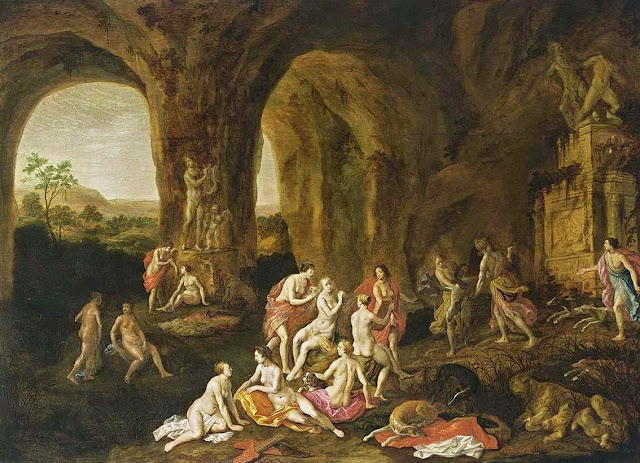 |
| Adriaen_van_Nieulandt_(II)_-_Diana_and_Her_Nymphs |
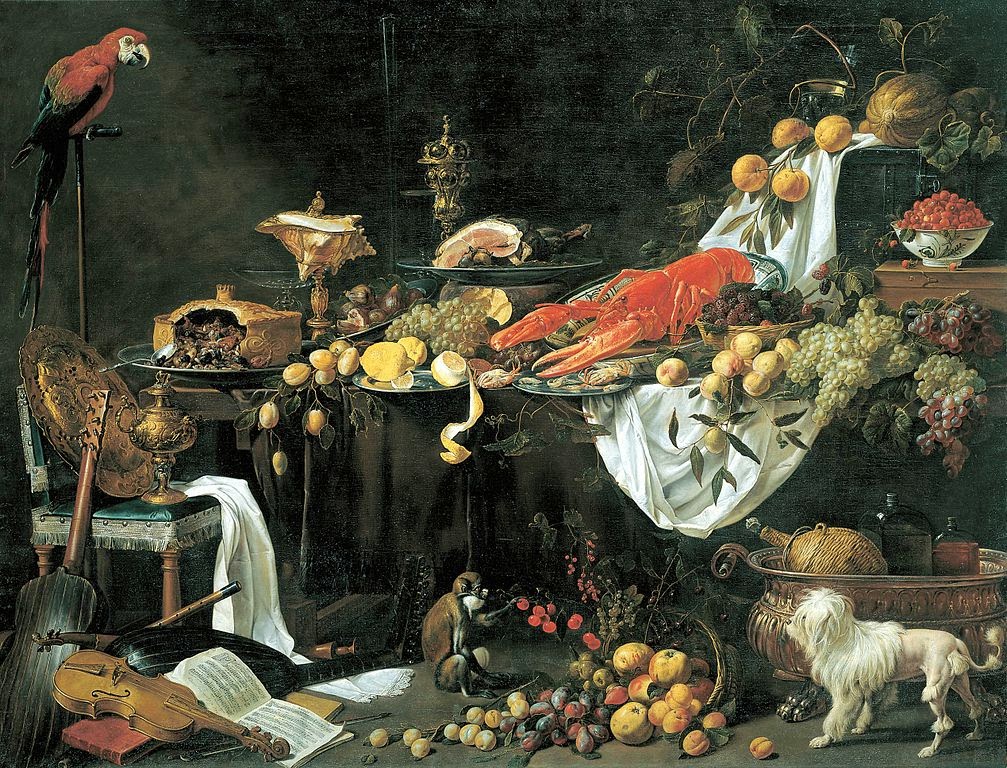 |
| Adriaen_van_Utrecht_001 Still life |
 |
| Aelbert_Cuyp-The_Negro_Page |
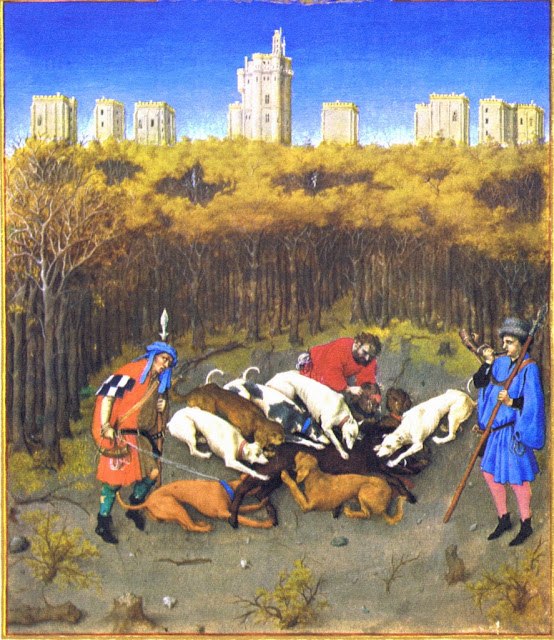 |
| Alanhund Tres riches heures 1412 |
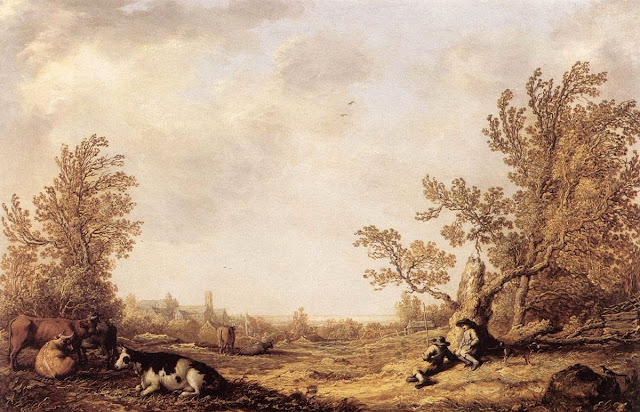 |
| Aelbert_Cuyp_-_Meadow_with_Cows_and_Herdsmen |
 |
| albrecht durer st jerome in his study |
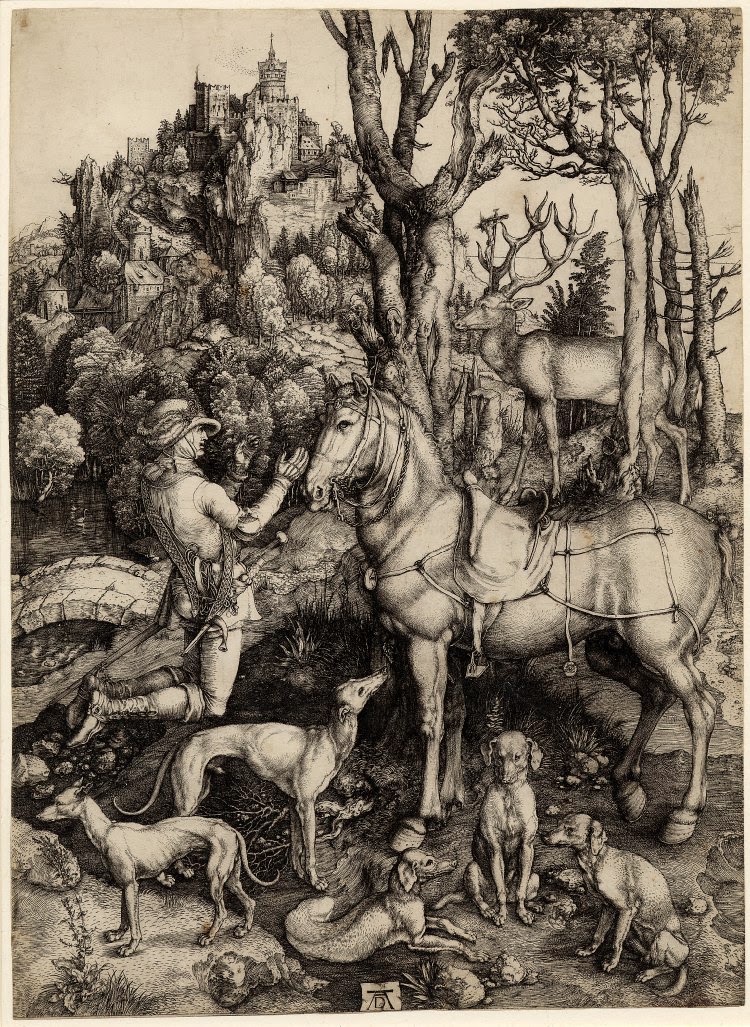 |
| Albrecht Dürer. St Eustace, with hunting dogs |
 |
| Albrecht Dürer--Knight Death and the Devil 1513 |
 |
| Albrecht Dürer--Knight Death and the Devil 1513 |
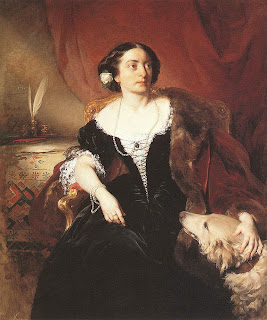 |
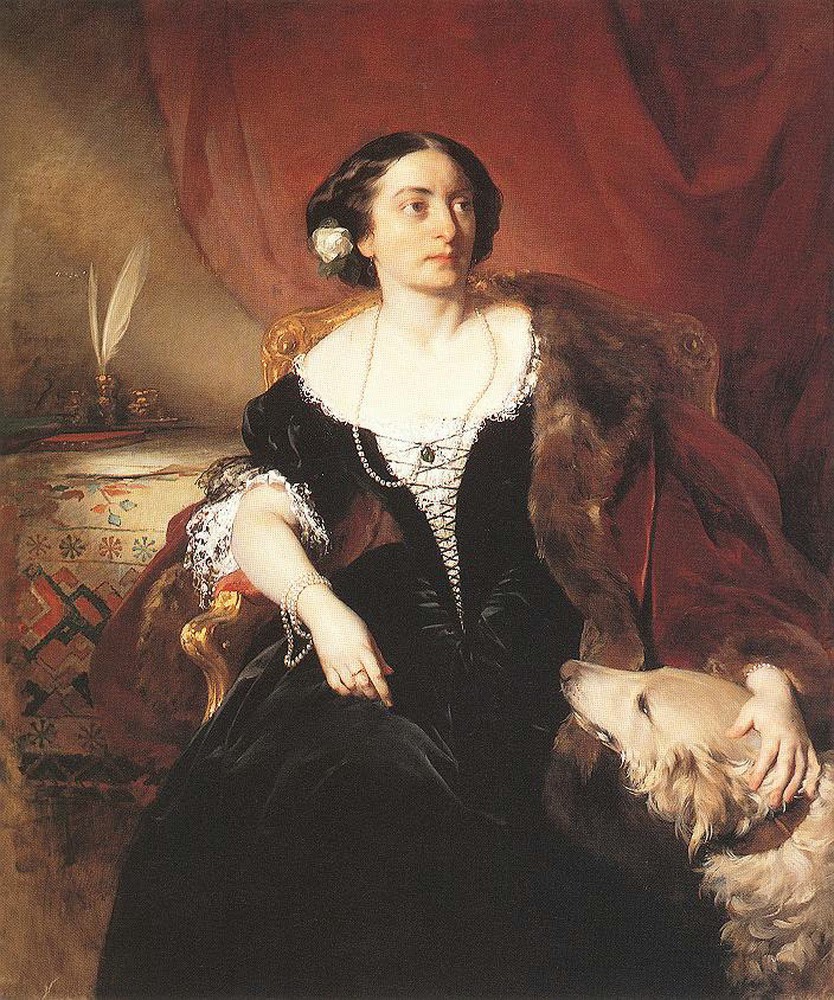
| AMERLING, Friedrich von Countess Nákó 1855 |
 |
| AMIGONI, Jacopo Venus and Adonis c. 1740 |
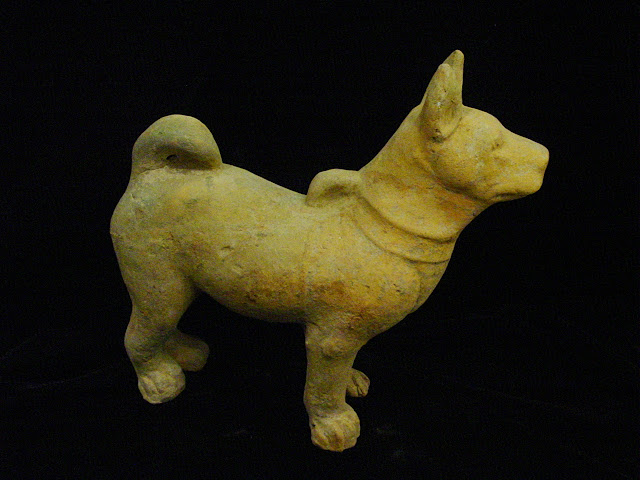 |
| An Dog. Guard Dog. Han Dynasty |
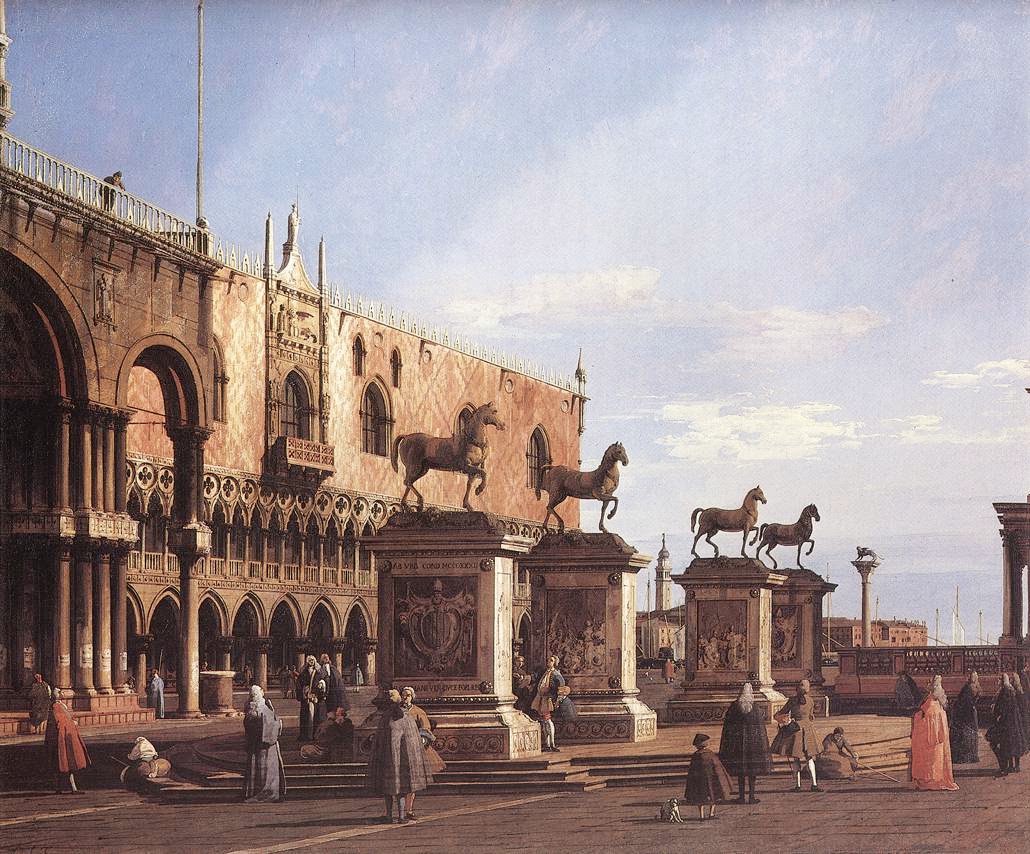 |
| CANALETTO- horses of San Marco |
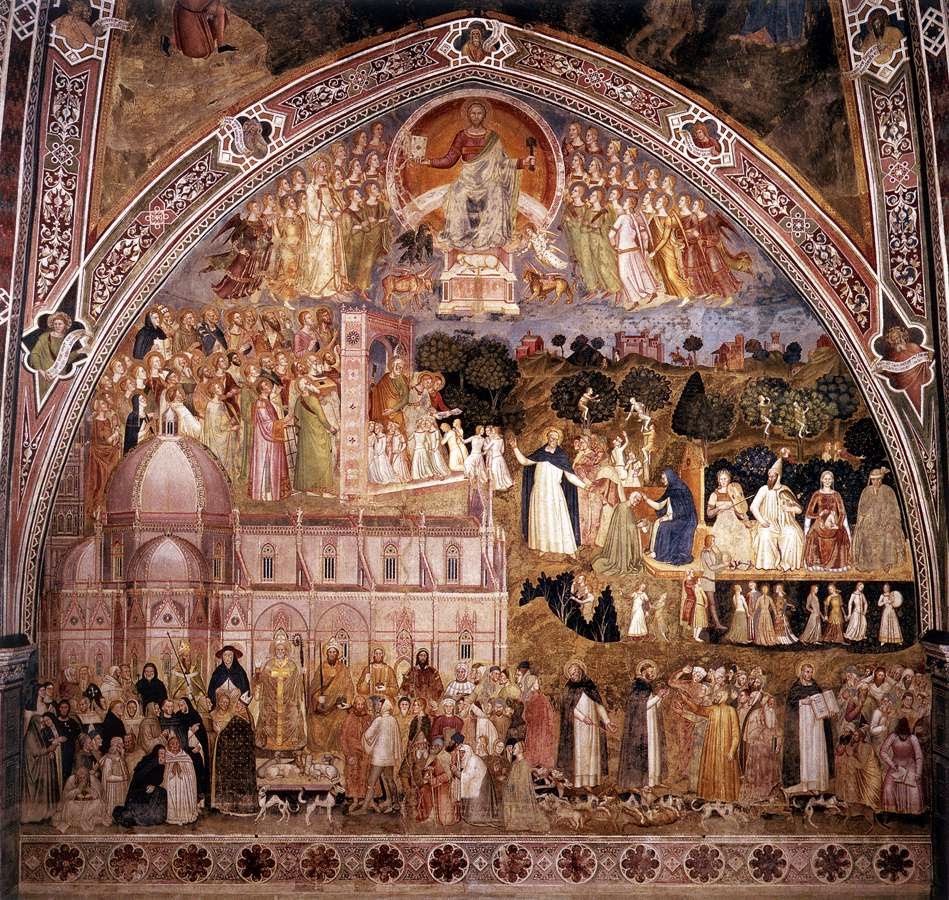 |
| ANDREA DA FIRENZE- way of Salvation |
 |
| Andrea Mantegna. Allegory of the Fall of Ignorant Humanity |
 |
| Andrea_del_Sarto_-_Tobias_and_the_Angel_with_St_Leonard_and_Donor |
 |
| ANGELICO, Fra- missal558 Glorificazione di S. Domenico |
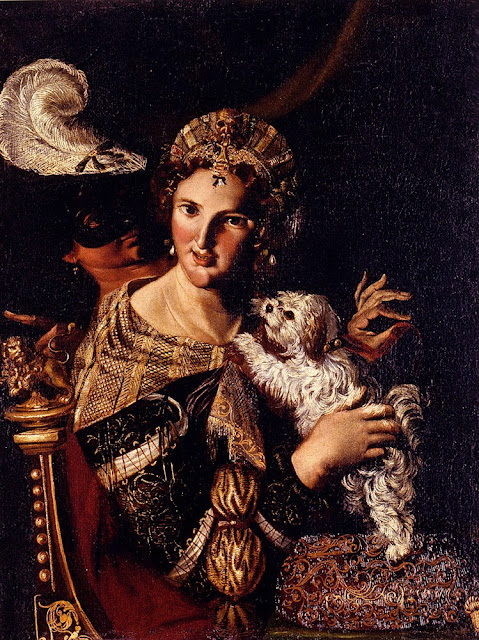 |
| Angelo Caroselli- a_lady_with_her_dog_an_allegory |
 |
| Annibale Carracci. Head of a dog in profile to left |
 |
| Anonymous. Tobias and the angel taking leave of Tobit |
 |
| Antonio_Allegri,_called_Correggio_-_The_Abduction_of_Ganymede |
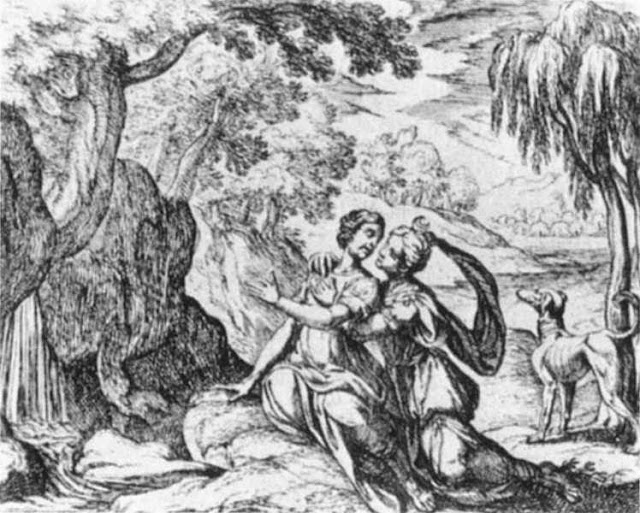 |
| Antonio_Tempesta_-_Jupiter_and_Callisto |
 |
| Antonio Mancini-portrait_of_elizabeth_and_charles_williamson |
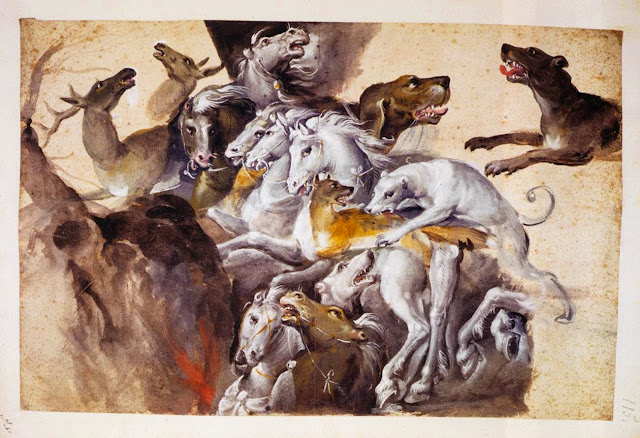 |
| ARCIMBOLDO, Giuseppe- Composition with Animals |
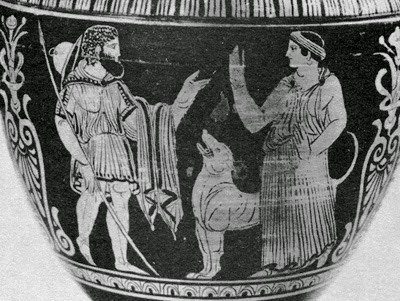 |
| Argos, dog of Odysseus |
+Madame+Georges+Charpentier+(n%C3%A9e+Margu%C3%A9rite-Louise+Lemonnier+and+Her+Children..jpg) |
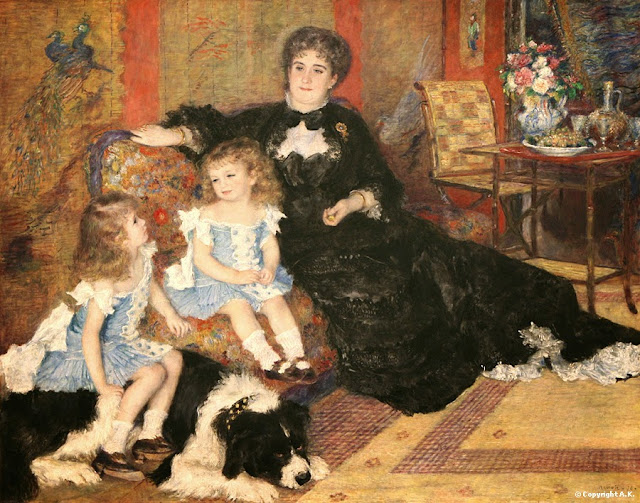
| Auguste Renoir (French, 1841–1919) Madame Georges Charpentier (née Marguérite-Louise Lemonnier and Her Children |
 |
| Bartolomeo_Montagna_-_St_Peter_Blessing_and_Donor |
 |
| Bartolomeo_Passerotti_-_Portrait_of_a_Man_with_a_Dog |
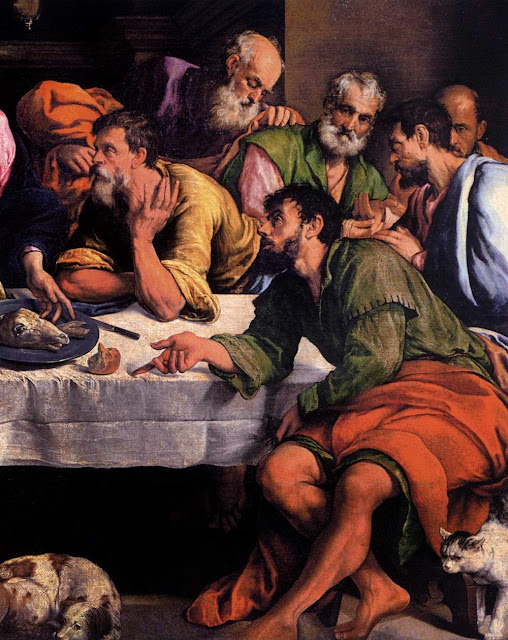 |
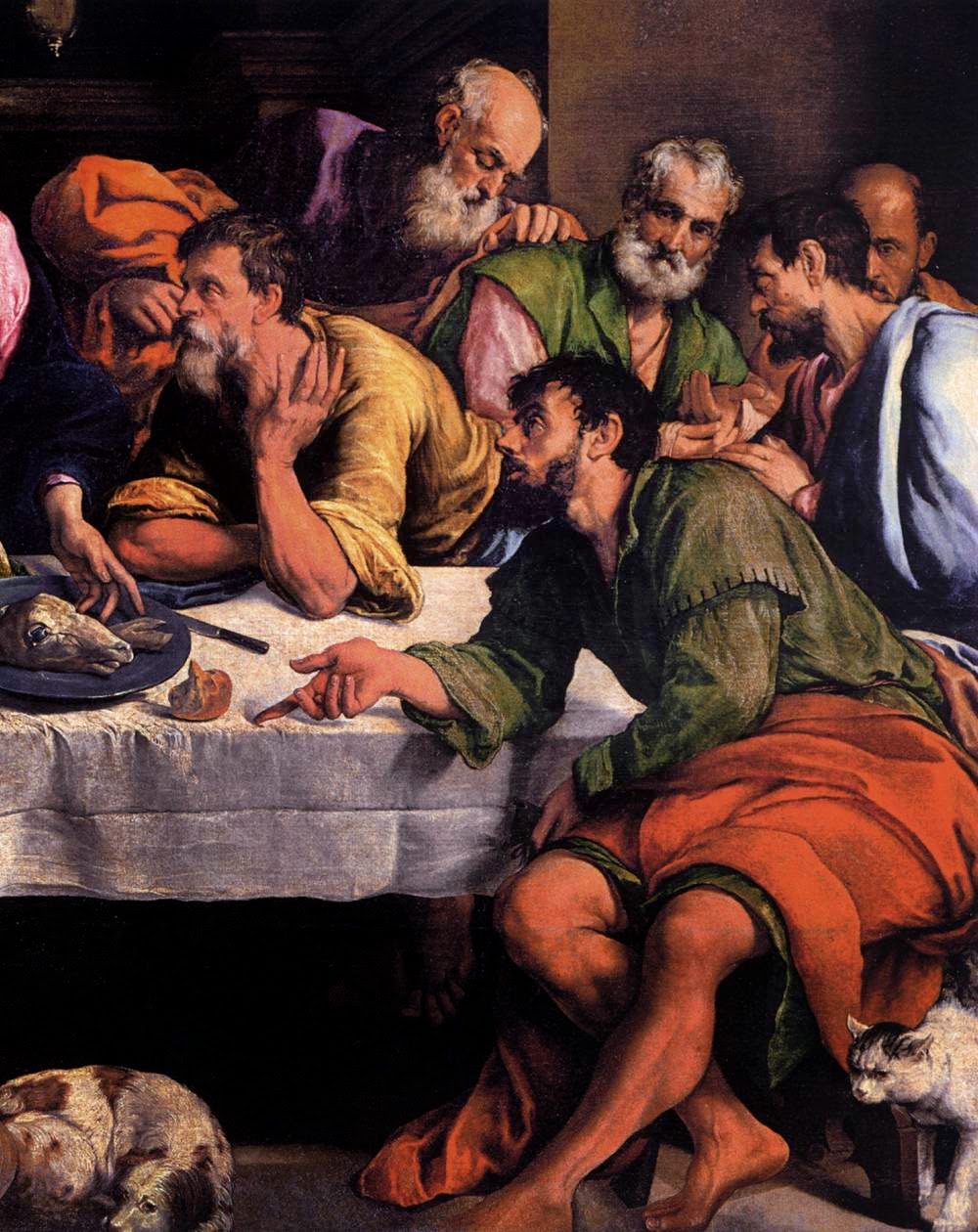
| BASSANO, Jacopo the last supper (detail) |
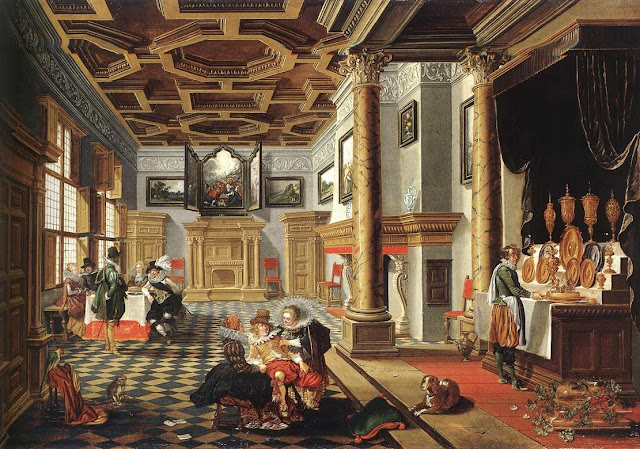 |
BASSEN, Bartholomeus van-Renaissance Interior with Banqueters
|
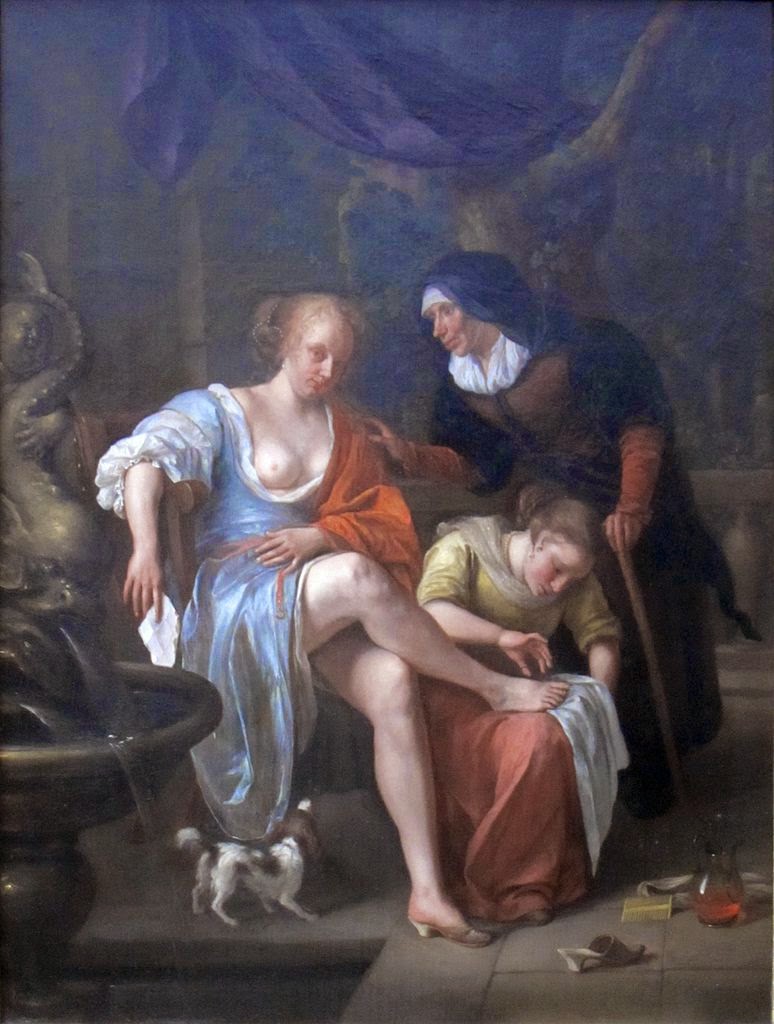 |
| Jan Steen Dutch, about 1665 - 1670- Bathsheba After the Bath |
 |
| BAYEU Y SUBIAS, Ramón The Blind Singer c. 1786 |
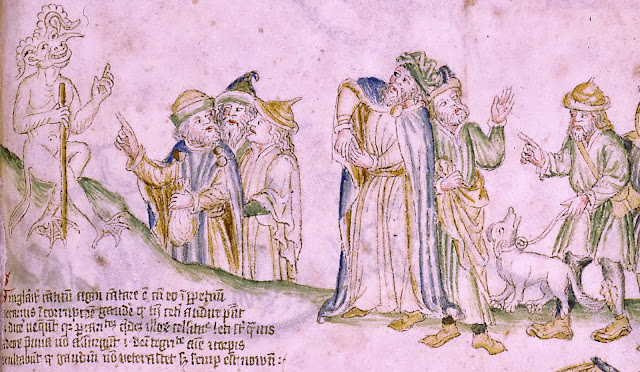 |
| Medici Aesop- The dog and the beast |
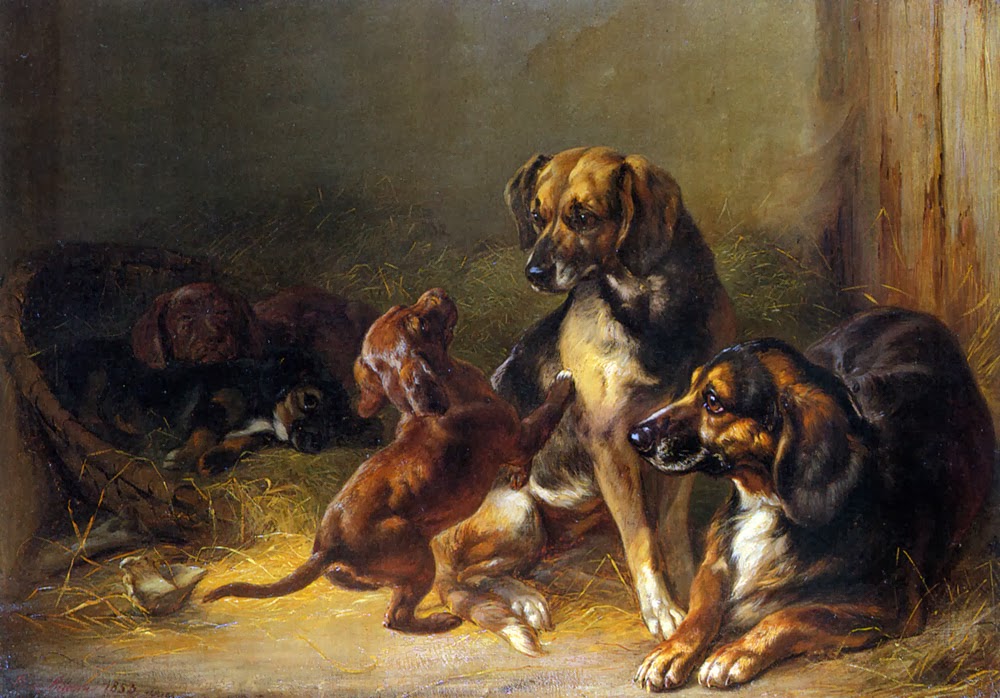 |
| Benno Adam-dogs_and_whelps |
 |
| BERNINI, Gian Lorenzo- rape of Proserpina |
 |
| BLEKER, Gerrit Claesz-stag hunt |
 |
| Frans Snyders (Flemish, 1579–1657)about 1625–30Oil on canvas, Boar Hunt Gift of John Templeman Coolidge, Jr.Photograph © Museum of Fine Arts, Boston |
 |
| BOILLY, Louis Léopold- departure of Conscripts. |
 |
| BOSCH, Hieronymus The Seven Deadly Sins (detail) |
 |
| BOSCH, Hieronymus the-marriage-feast-at-cana |
 |
| BOSCH, Hieronymus Triptych of Haywain outer wings |
 |
| BOSCH, Hieronymus- wayfarer |
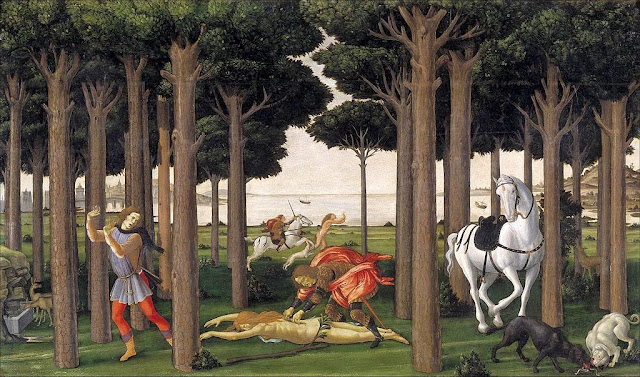 |
| Botticelli, Sandro (Italian), The Story of Nastagio degli Onesti (II) |
 |
| Botticelli, Sandro (Italian),The Story of Nastagio degli Onesti (third episode) |
 |
| Botticelli, Sandro (Italian)-The Story of Nastagio degli Onesti (I) |
 |
| BOTTICELLI, Sandro- 3miracles st.zenobius |
 |
| Briton Riviere- fidelity 1869 |
 |
| Brueghel-jan-the-elder the-vision-of-st-hubert |
 |
| BUGIARDINI, Giuliano- scenesTobias 1 |
 |
| BUGIARDINI, Giuliano-scenesTobias 2 |
 |
| Caesar van Everdingen- Lycurgus Demonstrates the Benefits of Education |
 |
| Caesar_van_Everdingen_-_Jupiter_and_Callisto |
 |
| CANALETTO-san-marco-the-interior |
 |
| CANALETTO-Santi Giovanni e Paolo |
 |
| CANO, Alonso-saint-isidore-the-farmer |
 |
| CARDINAL ALESSANDRO LANTE DELLA ROVERE'S DOG, Italian School Date Circa 1816-Circa 1818 |
 |
| CARLEVARIS, Luca-Venice A View of the Molo |
 |
| Carlo Grubacs- a_view_of_the_doges_palace |
 |
| CARNEVALE, Fra The Presentation of the Virgin in the Temple (detail). |
 |
| CARNEVALE, Fra The Presentation of the Virgin in the Temple |
 |
| CARPACCIO, Vittore Two Venetian Ladies c. 1510 |
 |
| CARPACCIO, Vittore- vision 1 |
 |
| CARRACCI, Agostino- Hairy Harry, Mad Peter and Tiny Amon |
 |
| CARVELARIS LUCA- Reception of Cardinal César d'Estrées (detail) |
 |
| Cavaliere_d'Arpino (Giuseppe Cesari)_-_Diana_and_Actaeon |
 |
| Bosse, Abraham, French, 1604–1676- Ce Berger me ravit avec sa cornemuse |
 |
| Cecilia Beaux- lane-lovell-and-his-dog |
 |
| CELLINI, Benvenuto- Sakuki Greyhound |
 |
| Cellini, Benvenuto--Nymph-of-Fontainebleau-3 |
 |
| Curtiss, Marion- Ceramic Dog Rendered c. 1936 |
 |
| Cesari,_Giuseppe_-_Diana_and_Actaeon_-_1603-1606 |
 |
| Charles Burton Barber - My First Partner |
 |
| Charles Burton Barber (British, 1845-1894) «Once bit, twice shy» 1885 |
 |
| Charles Burton Barber - Blond and Brunette |
 |
| Charles Burton Barber - Girl with Dogs |
 |
| Charles Burton Barber - In Disgrace |
 |
| Charles Burton Barber - Not Much Wrong |
 |
| Charles Burton Barber - Suspense |
 |
| Charles Burton Barber - Sweethearts |
 |
| Charles Burton Barber - The Broken String |
 |
| Charles Burton Barber - the new keeper |
 |
| Charles Burton Barber - The New Whip |
 |
| Charles Burton Barber The Two Invalids. |
 |
| Charles Burton Barber- the hiding place |




+Madame+Georges+Charpentier+(n%C3%A9e+Margu%C3%A9rite-Louise+Lemonnier+and+Her+Children..jpg)