Noscere Audere Velle Tascere Ire: rifts on Arts, music, photography, history, literature, poetry, science, the paintings, visual arts, the dance and ultimately to the living spaces of nature by Nosauvelta. This is a look for the space between thinking, knowing, seeing, understanding and listening well, reading stories and thoughts of what was, what is, and what has to be as told by the wise through blogs, photos, video, and music blogs.
If There Is Much In The Window There Should Be More In The Room
"Earth
From Above" is the result of the aerial photographer Yann
Arthus-Bertrand's five-year airborne odyssey across six continents. It's a
spectacular presentation of large scale photographs of astonishing natural
landscapes. Every stunning aerial photograph tells a story about our changing
planet.
Yann Arthus-Bertrand, born 1946 in France, has become globally famous as a
nature photographer. During his career he discovered the beauty of the world as
seen from above when he became a hot air balloon pilot and began experimenting
with aerial photography. Besides photography, Yann passionately engages in
non-profit projects for different organizations.
By 2005, Arthus-Bertrand created the association GoodPlanet. This international
NGO develops numerous projects whose shared objective is to educate about
sustainable development and request individuals across every background,
culture and border to think beyond the development of our planet and, instead,
toward the future of all of its inhabitants.
Earth From Above, a 4-episode, 8-hour TV series then launched in 2007 and
renewed for 2008, prompting Arthus-Bertrand to begin filming of Home, a
documentary-style feature film about the state of our planet and challenges
facing us to protect it. Its simultaneous worldwide release is scheduled for
June 5th, 2009 - World Environment Day.
Arthus-Bertrand was a member of the Academy of Fine Arts of the Institute of
France in 2006. He is a knight of the Legion of Honour, an Officer of the Order
of Agricultural Merit, and an Officer of the National Order of Merit. In 2007,
Arthus-Bertrand helped Al Gore present his Academy Award-winning film, An
Inconvenient Truth, to the French Parliament.
As an artist, documentarian and advocate, Yann Arthus-Bertrand demonstrates the
power of images to convey universal emotion, understanding and shared
appreciation for our planet and its inhabitants. For this reason, he is
recognized worldwide as one of the most important and respected
environmentalists of our time.
Caravan of dromedaries near Tichit, Mauritania
Herd of Hereford cows crossing the Chimehuin river, Argentina
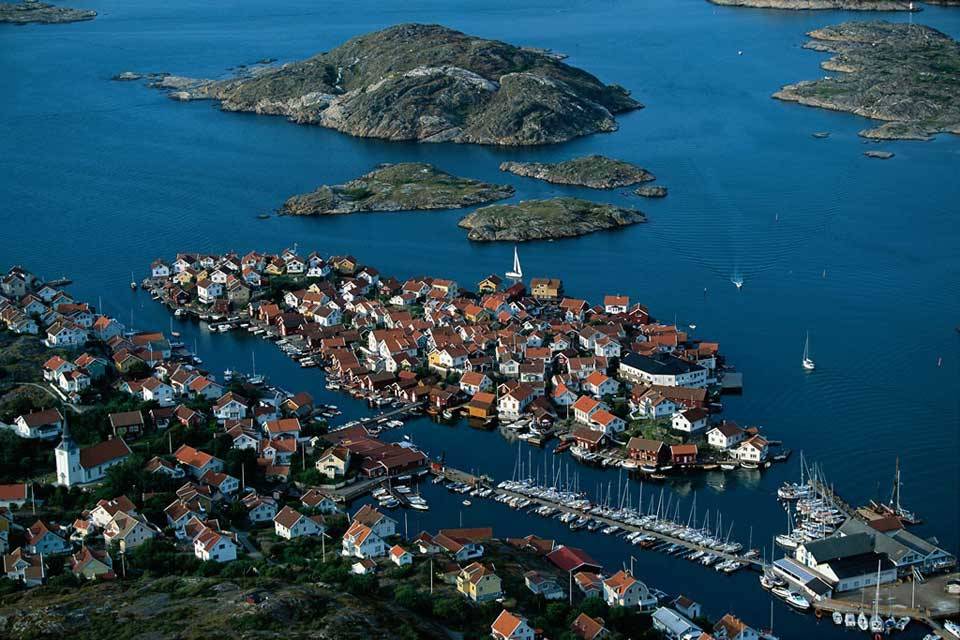
Gullholmen village, north of Göteborg, Sweden
Denver, Colorado
fraser-island-dune-australia
Palácio Nacional da Pena, Portugal
Palácio Nacional da Pena, Portugal
Township in Cap Town, Republic of South Africa
The Inca city of Machu Picchu, Cuzco region, Peru
The medieval city, Dubrovnik, Croatia
Área Residencial, Beijing, China
Maasai Mara National Reserve,Kenya
Open coal mine near Delmas
Wineglass Bay, Tasmania, Australia
Houses on stilts, Makoko shanty town, Lagos, Nigeria
Bazaar of Istanbul, Turkey
Neuschwanstein castle, Bavaria, Germany
Hashima Island, also known as Gunkanjima or “Battleship” Island, Nagasaki Prefecture, Japan
Add cPalm Jumeirah artificial island, Dubai, United Arab Emiratesaption
Dovecotes at Mit Gahmur, Egypt
Varanasi, the Ghats along the Ganges, Uttar Pradesh, India
Kibbutz of Sha’alvim, near Modi’in, Central District, Israel
solar plant in andalusia spain
Volcano of Rano Raraku, Easter Island, Chile
epicenter of the atomic bomb on hiroshima japan
Mountains near Jengish
los angeles freeways
Louver and Ile de la Cité in Paris, France
American cemetery north of Verdun, Meuse, France
Housing plots at Brøndby, on the outskirts of Copenhagen, Seeland, Denmark
Elephants in the Okavango Delta, Botswana
Favelas in Rio de Janeiro
Ruins of the medieval citadel of Shali in the town of Siwa, Egypt
Start of the Bol d’or race, Leman lake, Switzerland
19.jpg
icebergs and an Adelie penguin, Adelie Land, Antarctica
Agricultural landscape near Cognac, Charente, France
Islet in the terraced rice fields of Bali, Indonesia
The Grand Bazaar, istanbul turkey
Boats-stranded-on-the-dry-Aral-Sea-Kazakhstan
Bora Bora Islands french Polynesia
Dromedary caravan in the dunes, near Nouakchott, Mauritania
Catamaran in the Glénan archipelago, south coast of Finistère, France
Cattle near the Masai Mara National Park, Kenya
Air Terminal 2, Roissy-Charles-de-Gaulle Airport, Val-d’Oise, France
Detail of the Gallo-Roman ruins at Pontchartrain, Yvelines Department, France
Dried cracked mud in Camargue, Bouches-du-Rhone, France
EruptionofPitondelaFournaiseReunionIsland
Flight of scarlet ibises near Pedernales
Gardens at the Château of Vaux-le-Vicomte, Seine et Marne, Franc
Gardens of the Château de Villandry, Indre-et-Loire Department, France
The Heart of Voh in 1990, New Caledonia (French Overseas Territory) 1
The Heart of Voh in 1990, New Caledonia (French Overseas Territory
House in Keremma, on the Kernic cove at low tide, Finistère, France
Icebreaker Louis Saint Laurent in Resolute Bay, Nunavut Territory, Canada
Iraqi tank graveyard in the desert near Al Jahrah, Kuwait
Mountainous countryside near Maelifellssandur, Myrdalsjökull Region, Iceland
MilitarycemeteryinVerdunFrance
NaturereserveArguinbankGirondeFrance.
Like
Naturists of the center of Arnaoutchot, Landes, France
Like
Dovecotes at Mit Gahmur, Egypt
Like
PyramidoftheLouvreParisFrance
Road interrupted by a sand dune, Nile Valley, Egypt.
Roped party of mountaineers climbing Mont Blanc, Haute-Savoie Department, France
Kibbutz of Sha’alvim, near Modi’in, Central District, Israel
Subaquatic vegetation in the Loire river near Digoin, Saône-et-Loire, France
Village near Tahoua, Niger
Tasmania, Australia
The Gorges of the Bras de Caverne, island of Reunion, France
The Puy de Dome, Auvergne volcano range, Puy-de-Dome, France
The islets of Nokanhui, south of le des Pins, New Caledonia, France
The largest plant maze in the world, at Reignac-sur-Indre, Indre-et-Loire Department, France
Modern graves in a cemetery at Asyut, Nile valley, Egypt
Town of Koh Pannyi, Phand Nga bay, Thailand
Training arena in the hippodrome of Maisons-Laffitte, Yvelines, France
Trees in the middle of water near Taponas, Rhône region, France
TreesdownedbystormintheforestoftheVosg
Fields of tulips near Lisse, near Amsterdam, Netherlands
Versailles Chateau at sunset,Yvelines, France
Village in the Rheris Valley, Er Rachidia region, High Atlas Mountains, Morocco
White horse of Uffington, Oxfordshire, England
Worker resting on bales of cotton, Thonakaha, Korhogo, Ivory Coast. Cotton crops occupy approximately 335,000 square klilometers worldwide, and use nearly one quarter of all pesticides sold
boats in the port of Mopti on the Niger River, Mali
Iguazu Falls, Argentina and Brazil
Snowmobiles on the ice, Baffin Island, Canada
A whale swims off the Valdes peninsula, Argentina
Palm Jumeirah artificial island, Dubai, United Arab Emirates
Marina Bay Sands Casino Singapore
"Tree of life", Tsavo national
park, Kenya. This acacia is a symbol of life in the vast expanses of
thorny savanna, where wild animals come to take advantage of its leaves
or its shade
Mount Pinatubo, a volcano north of Manila, Luzon, Philippines
Village on stilts in Tongkil, Samales Islands, Philippines
Islet, Congo river near Mossaka, Cuvette, Republic of the Congo
Meteora Monastery, Thessaly, Greece
Countryside around Siena, Tuscany, Italy
Tea gardens at Boseong, Jeollanam-do Province, South Korea
Meeting in a stadium, west Seoul, Gyeonggy, South Korea
Botanical garden at Oedo Paradise Island, Gyeongsangnam-do, South Korea
Seaweed cultivation off Tongyeong, South Gyeongsang Province, South Korea
Lake Velence, Hungary
Wetland near Surgut, Siberia, Russia
Dairy cows passing between dunes, Maule province, Chile
Moaïs statues, Ahu Tongariki, Easter Island, Chile
Rano Kau volcano in Rapa Nui national park, Easter Island, Chile
Parasols on a beach close to Agia Napa, Famagusta District, Cyprus
Vineyards near Liopetri, Famagusta District, Cyprus
Cotton fabrics drying in the sun, Jaipur, Rajasthan, India
Garni Temple, Kotayk Province, Armenia
Royal tombs of Wat Phra si Sanphet (Temple of Sanphet), Ayutthaya, Thailand
Royal Flora Ratchaphruek 2006, annual floralie in Chiang Mai, province of Chiang Mai, Thailand
Wat at Westside of Chiang Mai, province of Chiang Mai, Thaïland
Rice fields north of Pokhara, Nepal
Satellite dishes on the roofs of Aleppo, Syria
Norias on the Orontes River in Hama, Syrie
Dunes near the sea at Khor Al-Abaid, Qatar
Yann Arthus-Bertrand
*Photographs
all owned by Yann Arthus-Bertrand*
Please visit Yann's personal website http://www.yannarthusbertrand.org/
*wallcoo*
*pictureearth.org*
Islamic clerics: destroy the holy book or preserve it as a reminder of the dictator's brutality? A Quran written in Saddam Hussein blood is a macabre reminder of the dictator's brutal reign. According to art experts, it's also both a continuation of — and a departure from — artistic tradition. RIGHT PHOTO: Iraqi Imams view the 605-page qur'an written using 24 litres of former dictator Saddam Hussein's own blood donated over a number of years. Photograph: Scott Peterson/Getty Images The "Blood Quran" is taking a toll on Islamic clerics uncertain of whether it's better to destroy the holy book or preserve it as a reminder of the dictator's brutality. Hussein likely knew the controversy his blood-inscribed Quran would create when he commission it, given common taboos surrounding human bodily fluids. But despite the shock value of a book written in human blood, animal blood has been a part of art for centuries. "Blood is a common medium used in paint," Bruno Pouliot, an objects conservator at the Winterthur Museum in Delaware and a professor of art conservation at the University of Delaware, told LiveScience. "Ox blood is one of the oldest forms, and a very stable form, actually, of paint."
Bloody but sacred
In the late 1990s, Hussein conscripted a calligrapher to copy the Quran in his blood. In what he reportedly described at the time as a gesture of "gratitude" to God, Hussein donated seven gallons (27 liters) of blood over the course of two years to be used as ink in the macabre volume, according to an article in The Guardian on Sunday (Dec. 19).
The Quran is now kept behind locked doors in a mosque in Baghdad, and officials are uncertain how to handle an object that is simultaneously sacred and profane.
A unbelievable video, one for sure you need to watch. Fantastic video on the progression of information technology, original design and researched by Karl Fisch, Scott McLeod, and Jeff Bronman, remixed....
Research and original design by:
Karl Fisch
Scott McLeod
Jeff Brenman
If you're the type of person who relies on mysterious-sounding locations of stars to determine your personality and outcome in life, get ready to be shocked. The field of astrology, which is concerned with horoscopes and the like, felt a major disruption from astronomers, who are concerned with actual stars and planets. The astronomers from the Minnesota Planetarium Society found that because of the moon's gravitational pull on Earth, the alignment of the stars was pushed by about a month...
This salsa-fied Beethoven video has been making the rounds lately — a very spicy arrangement of the opening movement of the Fifth Symphony with an uncommon twist (an infectious mix of mambo and son rhythms) on Beethoven's famous symphony...
Some of the tips below are effortless to implement and save you a lot of time and energy when dealing with these issues. Let’s start with the first proof of the awesomeness of Google…
Among the first "Germans" captured at Normandy were several Koreans. They had been forced to fight for the Japanese Army until they were captured by the Russians and forced to fight for the Russian Army until they were captured by the Germans and forced to fight for the German Army until they were captured by the US Army....
If you had to sum up what Earth is like, what would you say? How would you describe the abundance and diversity of life? How would you summarize all the achievements of mankind? Now, suppose that you were asked to communicate this information to someone who does not speak your language, nor indeed any language that you have ever heard of. Suppose, further, that your audience is apt to interpret pictures, sounds, or symbols in ways that you could not even begin to anticipate. Finally, suppose that this communication must take place via a "message in a bottle", sent off into space, to wash up on some distant "shore", at some inconceivably distant time in the future. Does this sound far fetched? Well, it shouldn't. This very exercise was carried out in the mid-seventies by a team of scientists with a unique opportunity to send such a message off into space on a pair of spacecraft; the two Viking probes, launched in 1977, that were deployed to explore Jupiter and Saturn. On each of the probes was a gold-plated "phonograph record" that contained a succinct summary of Earth and humanity. The significance of these particular probes was that they were destined to head off into boundless space at the conclusion of their mission. Thus, they were to become the first man-made artifacts to leave the solar system. This was too fantastic an opportunity to miss; "we" (humans) simply had to send a greeting card to whomever/whatever may find the probes.- Amazon Music On Voyager Record....
The 2010 Asian Games, also known as the XVI Asiad, was a multi-sport event in Guangzhou, China that began on 12 November and finished on 27 November 2010. Guangzhou was the second Chinese city to host the Games, after Beijing in 1990.
A total of 476 events in 42 sports was contested by athletes, making it the largest event in the history of the Games. It was also the last iteration of the Games to have featured such big events, as the Olympic Council of Asia (OCA) have enforced new hosting rules for future games, beginning with the 2014 Games.
The opening and closing ceremonies were held along the Pearl River in Haixinsha Island, and was the first time in history that the opening ceremony for a major sports event was not held inside a stadium. - wikipedia
Program: Guangzhou 2010 Asia Game
Series: Opening Gala
Episode: 05 - The Age of Light
If you could toss a bottle out into space, what message would you seal into it for anyone -- or any thing -- to open some day far away from our solar system? NASA's two Voyager spacecraft bound for interstellar space carry answers offered by some humans before the Voyagers launched 25 years ago....
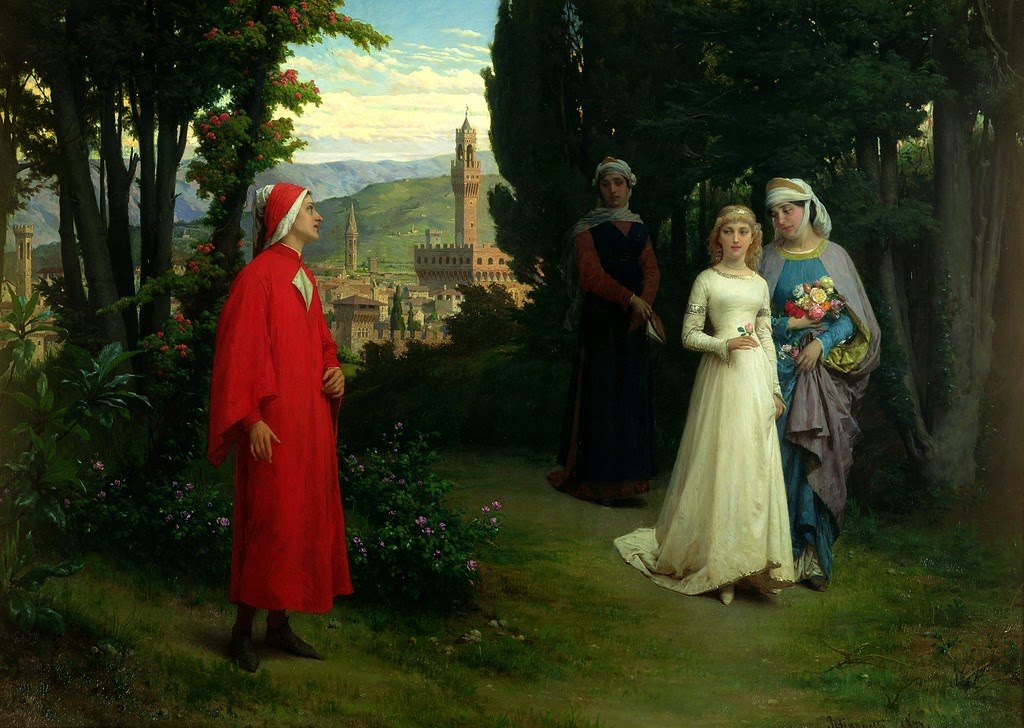
Vide Cor Meum is a song composed by Patrick Cassidy, a brilliant Irish composer, based on Dante's "La Vita Nuova", specifically on the sonnet "A ciascun'alma presa", in chapter 3 of the Vita Nuova. The song was produced by Patrick Cassidy and Hans Zimmer and was performed by Libera / Lyndhurst Orchestrathe, conducted by Gavin Greenaway. Singers are Danielle de Niese and Bruno Lazzaretti, who play Beatrice and Dante, respectively. The song first appeared in the movie Hannibal (2001), while Dr. Hannibal Lecter and Inspector Pazzi see an outdoor opera in Florence, and was specially composed for the movie. This aria was chosen to be performed at the Oscars in 2002 during the presentation of a lifetime achievement award to producer Dino De Laurentiis and at the 53rd Annual Emmy awards. It was also used in Ridley Scott's Kingdom of Heaven (2005), during King Baldwin IV's funeral. - wikipedia
(Chorus: Pensando di lei Mi E sopragiunse uno soave sono) Ego dominus tuus Vide cor tuum E d'esto core ardendo Cor tuum (Chorus: Lei paventosa) Umilmente pascea. Appresso gir lo ne vedea piangendo. La letizia si convertia In amarissimo pianto Io sono in pace Cor meum Io sono in pace Vide cor meum (Chorus: And thinking of her Sweet sleep overcame me) I am your master See your heart And of this burning heart Your heart (Chorus: She trembling) Obediently eats. Weeping, I saw him then depart from me. Joy is converted To bitterest tears I am in peace My heart I am in peace See my heart - Vide Cor Meum. To every loving heart and captive soul into whose sight these present words may come for some elucidation in reply, greetings I bring for their sweet lord’s sake, Love. The first three hours of night were almost spent, the time that every star shines down on us, when Love appeared to me all of a sudden and I still shudder at the memory. Joyous love looked to me while he was holding my heart within his hands, and in his arms my lady lay asleep wrapped in a veil. He woke her then and trembling and obedient she ate that burning heart out of his hand; weeping I saw him then depart from me. - Sonnet 1, Il Vite Nuovo, Dante Aligheri. ABOUT THE LYRICS The words to Vide Cor Meum were taken from Dante's La Vita Nuova (The New Life) where Dante describes his first forays into poetry. Vide Cor Meum is concerned with the first sonnet where Dante describes a vision he had and asks for help in interpreting it. As Dante tells it, when he was 9, he became quite smitten with a little girl he called Beatrice. He only saw her in passing but was soon obsessed with her. Nine years later, he sees her again. This time she says hello and Love overwhelms poor Dante. He goes back to his room and "thinking of her, sweet sleep overcame" him. Then he sees the vision of Love holding a woman (Beatrice) who is wrapped in a veil. Love says, "I am your master." In one of Love's hands there is a heart on fire and he says to Dante, "Vide cor tuum: See your heart". Then Love wakes Beatrice and feeds Dante's burning heart to her which she reluctantly eats. Love, then, becomes very sad and takes Beatrice with him up toward heaven. Dante never tells us what it means. In fact, the sonnet asks for possible interpretations. One such interpretation was recorded by Dante's good friend Cavalcanti who suggested that falling in love was, on the lady's part, a sad event and perhaps a prelude to her death. Both Dante and Beatrice married other people and Beatrice died at the age of 24. Dante wrote La Vita Nuova about 2 years later. It was right about at that time when Dante was becoming interested in philosophy and politics. One theory suggests that Beatrice might have been a symbol of some secret Florentine political society but I don't know enough about that to make any sense of it. What makes the most sense to me now is that Beatrice was Dante's muse. - hannibal.hannotations A video tribute to Hannibal Lecter with the classical opera song Vide Cor Meum from the soundtrack of The Silence Of The Lambs
Make the connection between the items which are common to each piece and the point/theme the artist is trying to convey. What literally connects the pieces together? It’s amazing how our minds automatically fill in the gap. The suitcase/briefcase/guitar case is part of the whole statement about what the sculptor is trying to express.




 Like
Like